By Chris Ryder, Paraclete Real Estate
The first thing newcomers notice about Miracle Mile isn't the museums; it's how fast the noise drops once you turn off Wilshire. A block north, you're on streets of 1920s bungalows where people are out watering in the evening, and a block south you're under a Peter Zumthor building that spans the boulevard. Living here means having both on the same walk home, a combination almost nowhere else in Los Angeles can offer. Here's what that looks like week to week once you've moved in.
- Miracle Mile pairs the Art Deco stretch of Wilshire with quiet blocks of 1920s and 1930s homes just to the north.
- Two Historic Preservation Overlay Zones cover much of the residential area
- Metro's D Line opened stations at Wilshire/Fairfax and Wilshire/La Brea in May 2026, and it changed how the neighborhood commutes.
- Museum Row sits inside the neighborhood rather than a drive away, so culture becomes a weeknight habit instead of an outing.
What Is It Like to Live in Miracle Mile?
Living in Miracle Mile means moving between a busy boulevard and residential streets that feel decades removed from it, often inside the same ten minutes. Wilshire handles the errands, the culture, and now the commute, while the blocks north of it stay quiet enough to surprise people the first time they stand on one.
That contrast is deliberate, going back to 1920, when A.W. Ross bought eighteen acres of Wilshire frontage his colleagues wrote off as "Ross's folly," only for a friend to rename the strip the Miracle Mile in 1928 once the shops filled in.
That contrast is deliberate, going back to 1920, when A.W. Ross bought eighteen acres of Wilshire frontage his colleagues wrote off as "Ross's folly," only for a friend to rename the strip the Miracle Mile in 1928 once the shops filled in.
The Rhythm of a Normal Week
- Wilshire carries the museums, the restaurants, and the transit, so most of what you'd drive across town for is already on your side of it.
- The residential streets north of Wilshire run on a slower schedule, which is much of why owners here stay for decades rather than years.
- The Art Deco storefronts along the boulevard, built tall and set back for people arriving by car, still set the neighborhood's look a century later.
What Kinds of Homes Are in Miracle Mile?
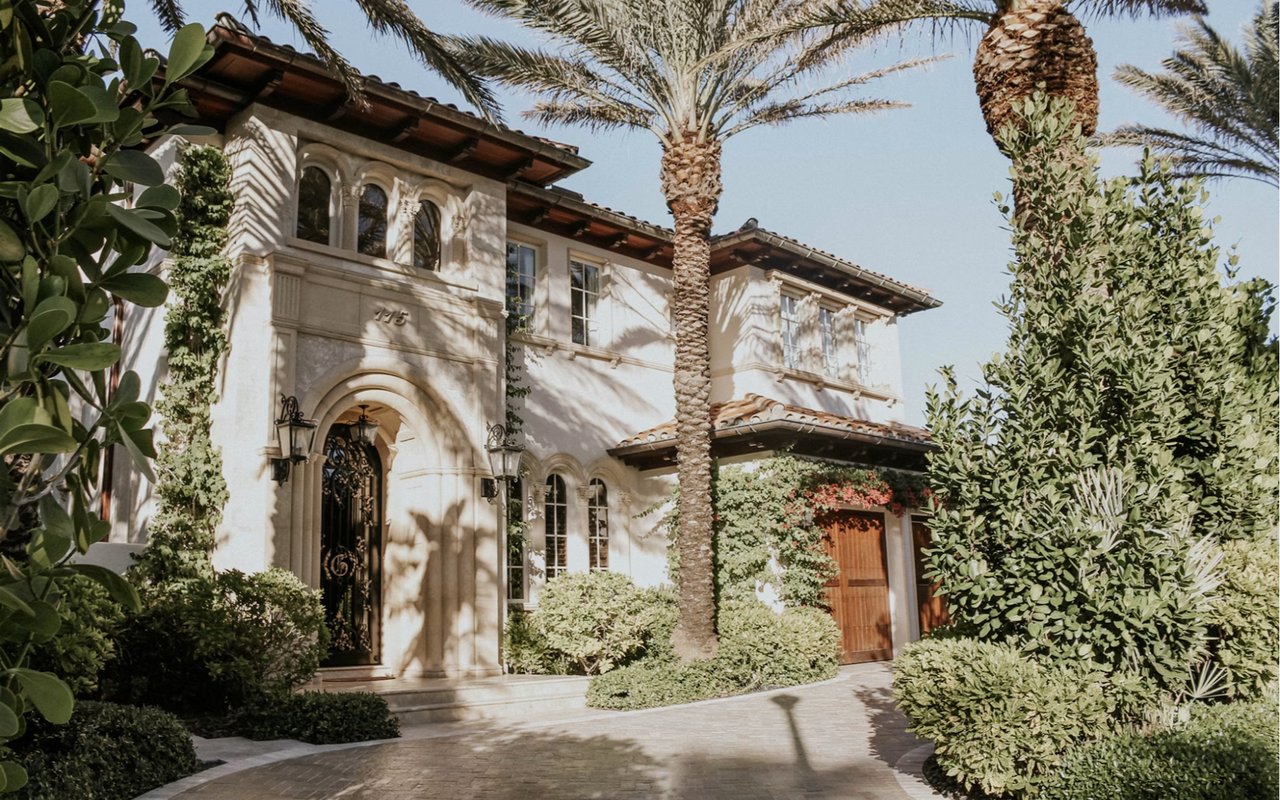
The residential core is period-revival housing from the 1920s and 1930s, with Spanish Colonial Revival, Tudor Revival, and bungalows lining the streets running north from Wilshire, while courtyard buildings and condos fill in along the wider boulevards.
One thing worth knowing before you fall for a house here is that much of the neighborhood sits inside the Miracle Mile and Miracle Mile North Historic Preservation Overlay Zones, which review exterior changes so these streets keep the character that drew you in.
One thing worth knowing before you fall for a house here is that much of the neighborhood sits inside the Miracle Mile and Miracle Mile North Historic Preservation Overlay Zones, which review exterior changes so these streets keep the character that drew you in.
What the Housing Stock Means for Buyers
- Period-revival houses on the north blocks hold their value on character, so a renovation that works with the original design lands better than one that papers over it.
- HPOZ review covers what's visible from the street, from windows to roofing to front facades, so build that timeline into any renovation plan early.
- Condos along Wilshire and Sixth offer the same location and walkability with a much lighter maintenance load, which is why that segment turns over more quickly.
What's on the market at any given moment swings between period houses and Wilshire condos, and Miracle Mile listings tend to reflect whichever segment is turning over that season.
How Do You Get Around Miracle Mile?
You can get through most weeks here without driving much, which became far truer in May 2026, when Metro's D Line extension opened stations at Wilshire/Fairfax and Wilshire/La Brea and put Koreatown, Downtown, and Beverly Hills one ride away.
For a neighborhood that spent a century organized around the car, that's a real shift, and it's brought back buyers who had written off central Los Angeles over the commute alone.
For a neighborhood that spent a century organized around the car, that's a real shift, and it's brought back buyers who had written off central Los Angeles over the commute alone.
Getting Around on a Normal Week
- The Wilshire/Fairfax station lets you out at LACMA's doorstep, so an evening at the museum stops being a parking decision.
- Third and Sixth Streets absorb most of the local errand traffic, and both stay easy on foot or by bike from the residential blocks, which is what makes a one-car household workable here.
What Is There to Do Without Leaving the Neighborhood?
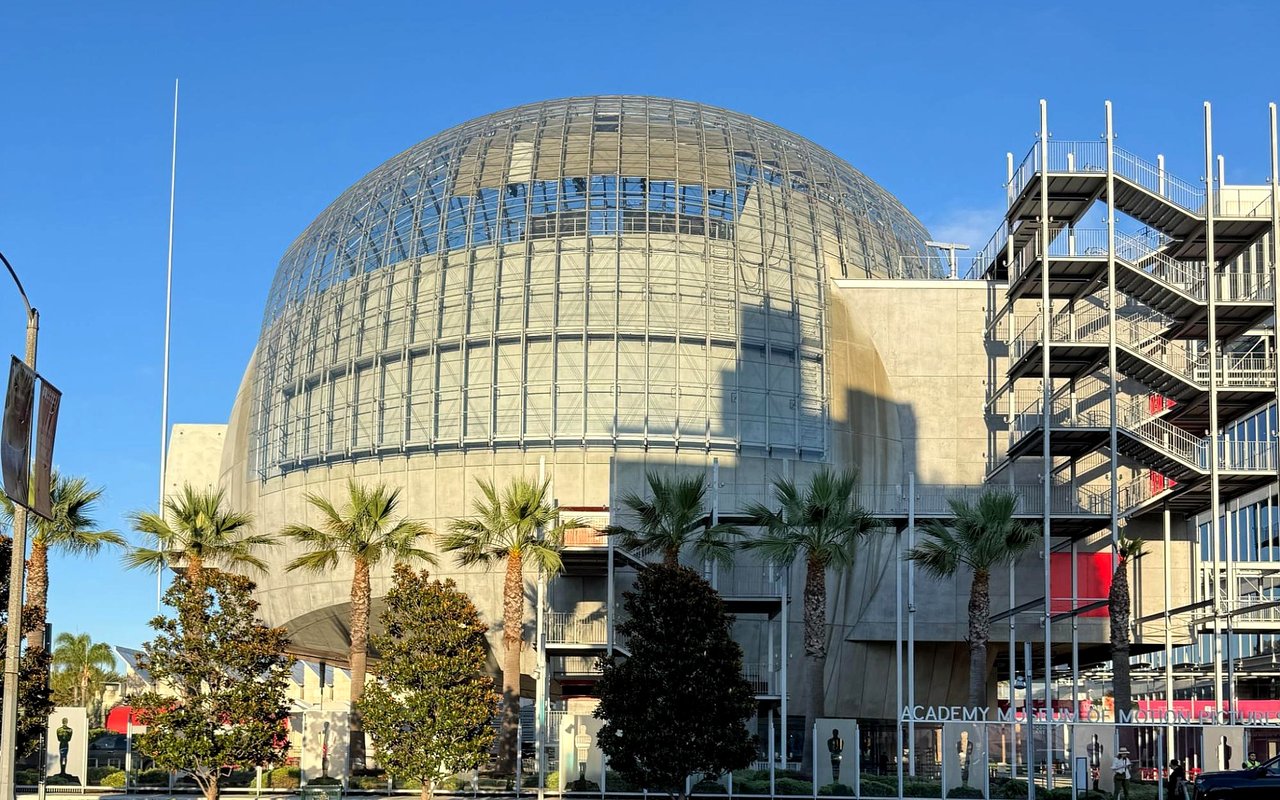
More than almost any Los Angeles neighborhood can claim, because Museum Row runs directly through it, with LACMA, the Petersen Automotive Museum, and the Academy Museum of Motion Pictures within a few blocks of each other on Wilshire.
What changes when you live here is the frequency, since you stop saving these places for visiting relatives and start dropping in for an hour when the mood strikes.
What changes when you live here is the frequency, since you stop saving these places for visiting relatives and start dropping in for an hour when the mood strikes.
What Living Nearby Actually Gets You
- Residents get a version of LACMA visitors rarely do, wandering into one gallery on a Friday evening instead of planning a day around the campus.
- Hancock Park's outdoor excavation sites stay open while the tar pits museum goes through its rebuild, doubling as the neighborhood's green space in the meantime.
Frequently Asked Questions
Is Miracle Mile a good place to live if you work downtown?
It's become one of the better options since the D Line extension opened, because you can reach Downtown without touching a freeway. The ride runs under Wilshire most of the way.
What's the difference between Miracle Mile and Beverly Grove?
Miracle Mile runs along Wilshire and leans toward period-revival houses and museum-adjacent condos, while Beverly Grove sits north and west with more of a shopping-district identity. We often walk clients through both in one afternoon.
Do I need a car if I live in Miracle Mile?
Most of our clients keep one and use it far less than they expected. Between the D Line and the walkable stretch along Third and Sixth, plenty of weeks pass without a freeway trip.
Reach Out to Paraclete Real Estate Today
Settling into Miracle Mile is less about choosing a house than choosing which version of the neighborhood suits you, since a preservation-zone bungalow and a Wilshire high-rise are two different lives on the same map. We spend the first conversation with newcomers sorting that out, because it saves months of touring the wrong inventory.
If you're relocating here, or just circling the area and wondering how it would feel day-to-day, we'd love to hear what your week looks like before we send a single listing. Reach out to Paraclete Real Estate, and we'll help you find the block that fits it.
*Header photo courtesy of Chris Ryder
If you're relocating here, or just circling the area and wondering how it would feel day-to-day, we'd love to hear what your week looks like before we send a single listing. Reach out to Paraclete Real Estate, and we'll help you find the block that fits it.
*Header photo courtesy of Chris Ryder